


Discovering the cultural significance of gambling in literature
The Historical Context of Gambling in Literature
Gambling has long been a prominent theme in literature, serving as a reflection of societal values and human behavior throughout different eras. From ancient texts to contemporary novels, writers have explored the allure and risks associated with games of chance. The rich history of gambling contexts can be traced back to works like the Bible, which includes references to casting lots, showing its ingrained connection to spirituality and fate.
The portrayal of gambling in literature often mirrors the cultural significance it holds in society. In the 19th century, for instance, the rise of novels featuring gambling echoed the rapid industrialization and the social changes occurring in Europe. Writers such as Fyodor Dostoevsky examined the existential crisis surrounding risk and morality in his work “The Gambler,” reflecting broader themes of addiction and desperation that are pertinent even today.
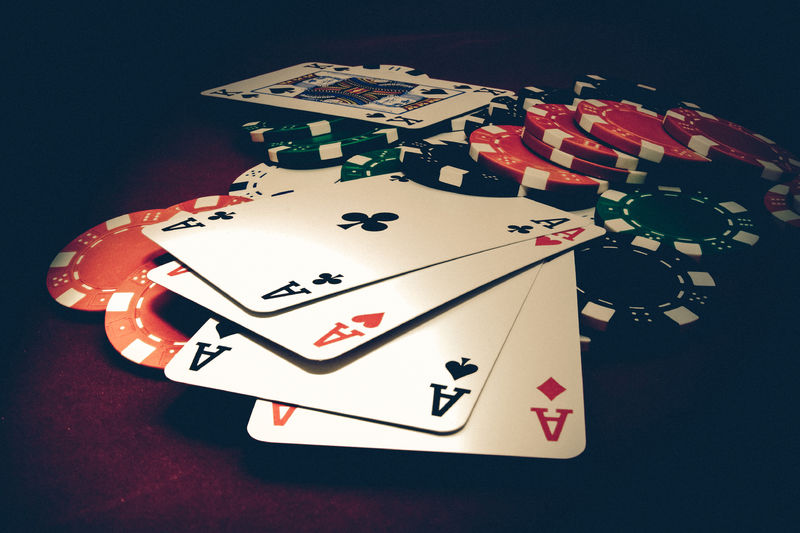
Additionally, regional variations provide a multidimensional perspective on how gambling is depicted. In the American literary tradition, works such as Mark Twain’s “The Adventures of Tom Sawyer” showcase the playful yet serious nature of betting among youth, revealing much about the cultural attitudes toward risk-taking. The social settings within which these gambling scenes occur immensely influence the moral bearings writers instill in their narratives, presenting nuanced critiques of society’s relationship with fortune and luck.
Symbolism and Themes Associated with Gambling
The act of gambling transcends mere chance and becomes laden with symbolism in literary works. Often, it represents the broader human condition—the unpredictable nature of life and fate. Writers utilize games of chance as metaphors for critical life decisions, exploring ideas about agency, morality, and the consequences of one’s choices. The sense of luck or misfortune that accompanies gambling illustrates the complexities of fortune and misfortune intertwined in our everyday experiences.
Moreover, gambling can signify more than just a game; it often serves as a plot device to develop characters and their relationships. For example, in F. Scott Fitzgerald’s “The Great Gatsby,” the extravagant lifestyle of the Jazz Age is intertwined with gambling culture, which reflects the moral ambiguities of the time. The protagonist’s participation in games of chance reveals deeper insights into his aspirations, desires, and ultimately, his downfall.

In contrast, contemporary literature often presents gambling in a more cautionary light. Authors examine the ramifications of addiction and its broader impacts on families and communities. By weaving themes of gambling into modern narratives, writers highlight current issues such as economic disparities and the pursuit of the American Dream, questioning what it means to gamble with one’s future in today’s complex world.
The Psychological Implications of Gambling in Narrative
The exploration of psychological elements in gambling-related literature adds depth to character development. Writers delve into the motivations behind gambling, probing into addiction, thrill-seeking behavior, and the psychology of risk. The internal conflicts faced by characters often mirror societal judgments on gambling, raising questions about morality and individual responsibility. Such narratives compel readers to confront their own perceptions of gambling and its consequences.
The tension surrounding the act of betting can also draw readers in, creating suspenseful narratives. The stakes involved in gambling offer a lens through which authors explore themes of desperation and aspiration. The psychological strife faced by characters can evoke empathy, illustrating how their choices resonate with the audience’s understanding of human nature.
Moreover, the interplay between chance and choice—especially in critical moments—conveys a richer narrative. This allows readers to contemplate the deeper philosophical questions surrounding fate and free will, encapsulating the essence of the human experience shaped by myriad uncertainties.
Cultural Perspectives on Gambling in Literature
Diverse cultural backgrounds provide a rich tapestry for interpreting gambling within literature. Different societies approach gambling with varying degrees of acceptance and criticism, reflecting local customs, traditions, and taboos. In some cultures, gambling is celebrated, while in others, it is viewed with disdain. For instance, in Asian literature, gambling frequently symbolizes both good fortune and disaster, underscoring its dual nature within the narrative framework.
This cultural lens is particularly evident in works like “The Joy Luck Club” by Amy Tan, where various characters navigate their relationships against a backdrop of games and risks. This perspective reveals how cultural beliefs can shape the understanding of gambling and its implications, thereby enhancing the richness of the narrative.
Moreover, the global diversity of gambling narratives allows for comparative studies that deepen the understanding of its significance. As an example, the exploration of Western versus Eastern perceptions of gambling can illuminate essential values unique to each culture, which adds layers to character dilemmas and plot arcs. Such nuanced cultural analyses encourage readers to appreciate the variety of experiences associated with games of chance.
Explore More on Gambling in Literature
For those keen to further explore the cultural significance of gambling in literature and its various interpretations, engaging with specialized literary sites can offer vast resources and insights. Understanding the context and impact of gambling in different literary genres provides valuable perspectives on human behavior and societal norms.
One useful resource is an online platform that offers discussions, articles, and literary critiques. Here, you can deepen your understanding of the relationship between literature and gambling while discovering various works that intricately weave these themes together. Whether you’re looking for analytical essays or casual reads, you can find a wealth of information and appreciate the ongoing conversation about the role of gambling in literature. If interested, check out the best online pokies nz to see how gambling intersects with modern narratives.
