


Gambling's cultural influence examining the intersection of chance and community
The Historical Roots of Gambling
Gambling has existed in various forms for centuries, deeply woven into the fabric of human culture. From ancient China, where dice games date back to 2000 BC, to Roman soldiers betting on outcomes during battles, the essence of chance has always intrigued societies. This historical backdrop highlights how gambling has served not only as a form of entertainment but also as a social connector, bringing people together around a shared interest. Today, you can explore some of the best online options, such as aus online casinos, which continue this legacy in a modern context.
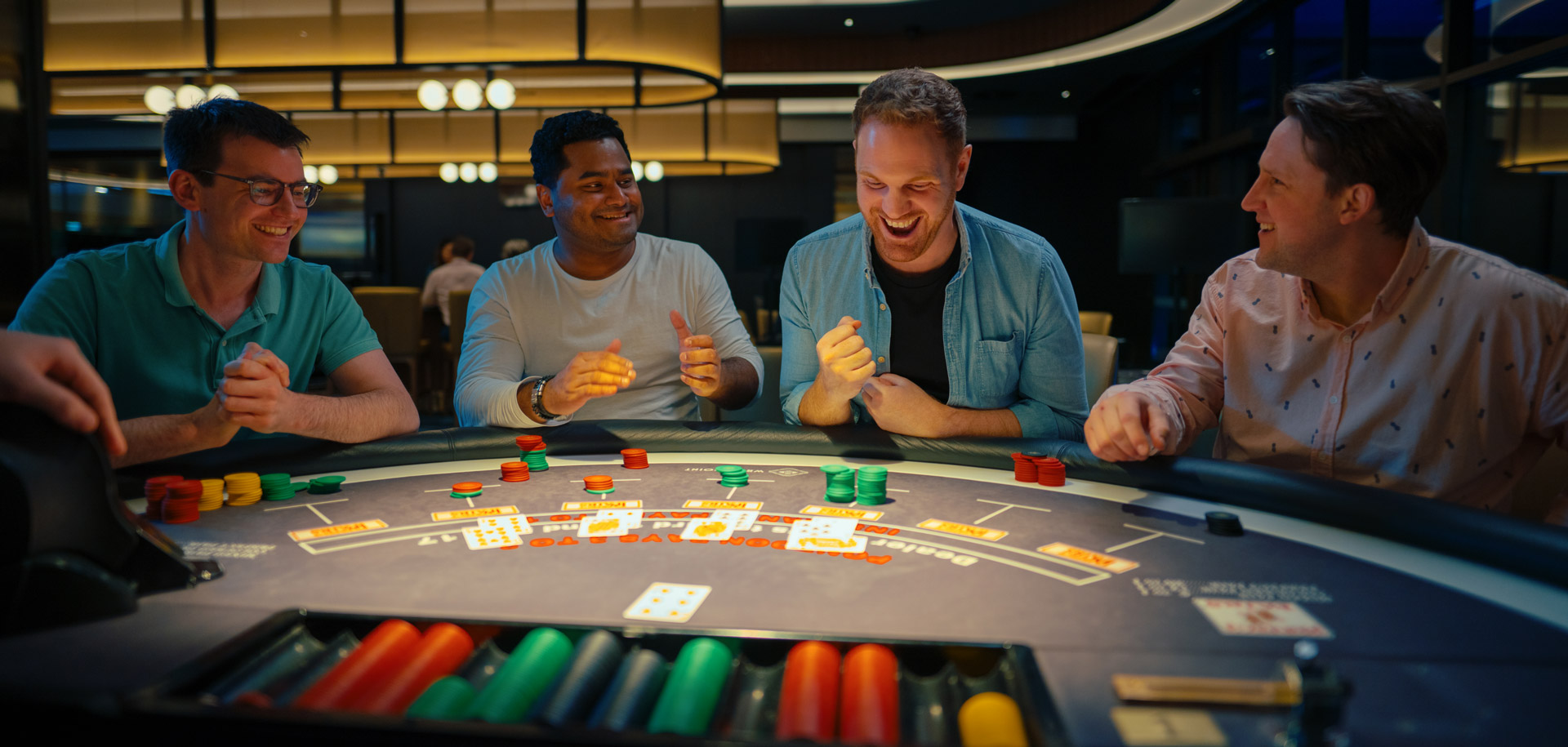
Throughout history, gambling has evolved, reflecting the values and beliefs of different cultures. In many societies, it has been associated with rituals and communal gatherings, serving as a means to foster connections among community members. This cultural significance has led to the establishment of various gambling institutions, from taverns and saloons to today’s expansive casinos, each playing a pivotal role in shaping local economies and social interactions.
The Role of Gambling in Community Building
Gambling has a unique ability to create a sense of belonging and community among players. Whether it’s a local poker night or a bustling casino, these spaces provide opportunities for socialization and collaboration. Players often share stories, celebrate wins, and commiserate over losses, creating bonds that extend beyond the gaming table.
Moreover, gambling events such as charity auctions or bingo nights often serve as community fundraisers, reinforcing the connection between chance and social responsibility. By participating in these events, individuals contribute to local causes, further intertwining the act of gambling with communal welfare and cohesion.
The Psychological Appeal of Gambling
The allure of gambling lies significantly in its psychological aspects, such as thrill-seeking and the unpredictable nature of chance. This unpredictability creates excitement, drawing people in and fostering a communal atmosphere where shared experiences thrive. The emotional highs and lows of gambling can deepen connections between players as they navigate the rollercoaster of luck together.
Additionally, the communal aspect of gambling can provide a psychological safety net. Players often feel supported by their peers, sharing strategies and celebrating successes, which enhances their overall experience. The communal bond formed in these environments transforms gambling from a solitary activity into a collective experience, enriching both individual lives and the community.
Gambling’s Impact on Local Economies
Gambling, particularly through casinos and betting establishments, significantly impacts local economies. These venues create jobs, attract tourism, and stimulate ancillary businesses such as restaurants, hotels, and entertainment venues. The influx of visitors for gaming experiences leads to increased revenue and investment in local communities.
However, this economic boost must be balanced with potential societal challenges, such as gambling addiction and its associated repercussions. Communities must navigate these issues carefully, fostering an environment that promotes responsible gaming while reaping the benefits of increased economic activity.

Exploring Online Gambling Communities
In the digital age, online gambling has revolutionized the way people engage with chance and community. Virtual casinos and gaming platforms have expanded accessibility, allowing players to connect globally. This evolution has led to the formation of online communities where individuals share experiences, strategies, and tips, reinforcing the communal aspect of gambling.
These online platforms often host forums and social media groups, enabling players to engage with one another beyond the gaming experience. By fostering a sense of belonging, these digital spaces echo the traditional community-building aspects of gambling, bridging the gap between chance and interpersonal connection in today’s fast-paced world.
